
When a loved one is diagnosed with dementia, families are often faced with a mixture of emotions (including uncertainty, concern for the future, and a strong desire to do the right thing). One of the most common questions is whether it’s possible to continue living safely at home.
The good news is that with the right support in place, many people living with dementia can remain at home for longer, surrounded by familiar people, routines, and environments.
In this guide, we explain what dementia care at home involves, how it works in Richmond and Kingston, and what families should consider when arranging support.
What is dementia care at home?
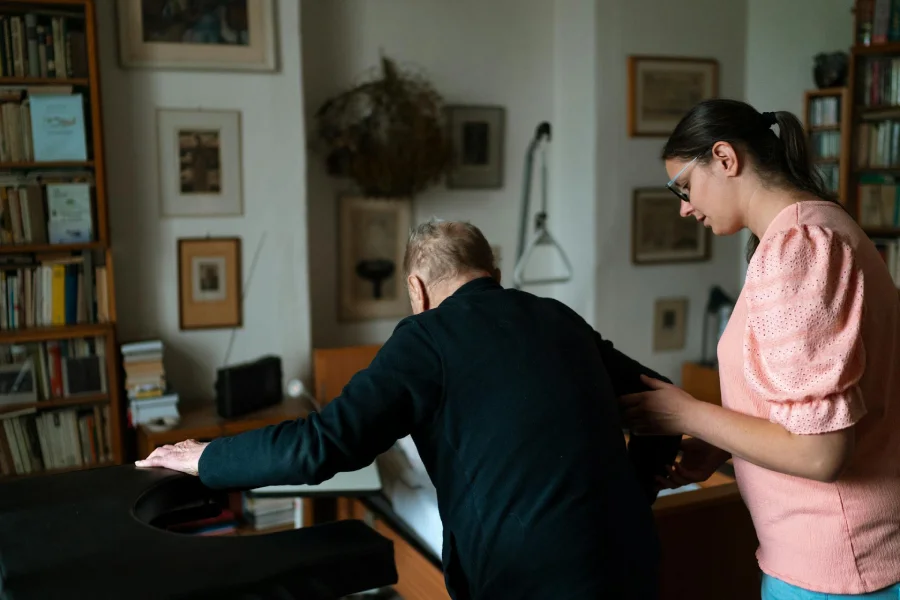
Dementia care at home is specialist support provided in a person’s own home for individuals living with dementia or other memory-related conditions. The focus is on maintaining safety, routine, dignity, and quality of life while supporting independence for as long as possible.
Rather than moving into a care facility, individuals receive tailored support in familiar surroundings, which can help reduce confusion, anxiety, and distress.
At SereneCare, dementia care at home is designed to adapt to each person’s unique needs, routines, and stage of dementia, while also supporting families and loved ones throughout the journey.
Why staying at home can help people living with dementia
Familiar environments play a significant role in dementia care. Being at home allows individuals to remain surrounded by memories, routines, and possessions that feel recognisable and comforting.
This continuity can help:
- Reduce confusion and disorientation
- Minimise anxiety and agitation
- Support memory through familiar routines
- Maintain a sense of independence and identity
- Encourage emotional wellbeing
For families in Richmond and Kingston, staying at home also means remaining connected to local communities, healthcare providers, and support networks that are already in place.
What dementia care at home includes
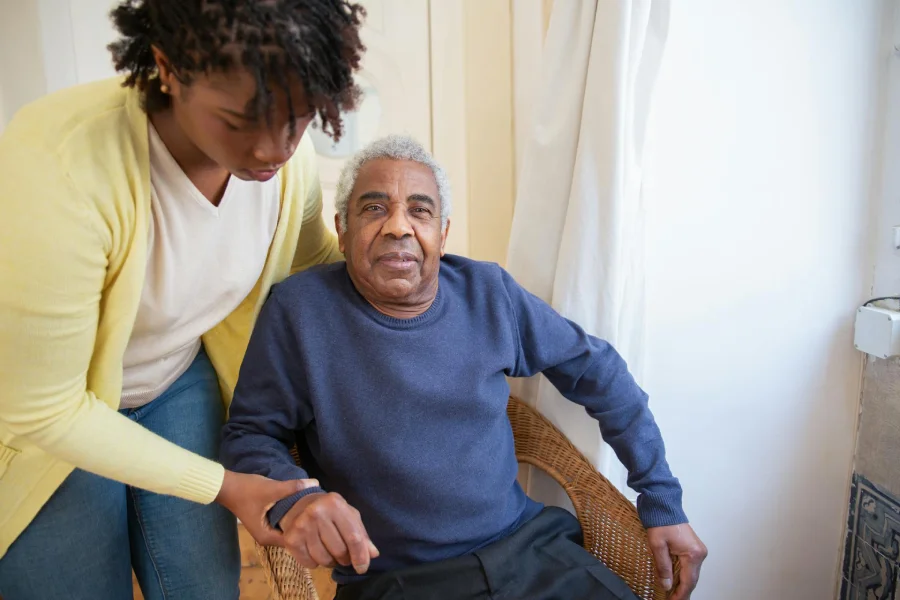
Dementia care is highly personalised and can range from occasional visits to full-time live-in care, depending on the level of need.
Common types of support include:
Personal care support
Assistance with washing, dressing, grooming, and daily routines, delivered in a respectful and reassuring way that promotes dignity.
Medication and health support
Care experts can help with medication reminders and support adherence to prescribed routines, helping to reduce risks associated with missed or incorrect doses.
Meal preparation and nutrition
Support with preparing meals, encouraging hydration, and maintaining a balanced diet, which is particularly important as dementia progresses.
Routine and structure
Establishing consistent daily routines can help reduce confusion and provide reassurance for individuals living with dementia.
Companionship and emotional support
Regular interaction and companionship help reduce loneliness and provide emotional stability, which is essential for overall wellbeing.
Safety and supervision
Care can include gentle supervision to reduce risks at home (such as wandering, falls, or leaving appliances on).
Family support
Dementia care also supports families by providing respite, guidance, and reassurance that their loved one is receiving professional care.
Signs that dementia care at home may be needed
Every person’s experience with dementia is different, but there are some common signs that additional support at home may be beneficial:
- Increasing memory loss affecting daily life
- Difficulty managing personal care or household tasks
- Changes in mood, behaviour, or confusion
- Increased risk of wandering or safety concerns
- Caregiver fatigue or family stress
- Difficulty managing medication or routines
Recognising these signs early can help families plan ahead and put the right support in place before a crisis occurs.
Types of home dementia care available in Richmond and Kingston
Dementia care at home can be tailored in several ways depending on need and progression.
Visiting care
Care experts visit at scheduled times throughout the day or week to provide support with specific tasks and routines.
Live-in dementia care
A full-time care expert lives in the home, providing continuous support, supervision, and companionship. This option is often suitable for individuals in later stages of dementia.
Respite dementia care
Temporary care is provided to support family carers who need a break, whether for a few hours, days, or longer periods.
Overnight care
Night-time support ensures safety and reassurance for individuals who may experience confusion, restlessness, or sleep disruption.
Supporting families through the dementia journey
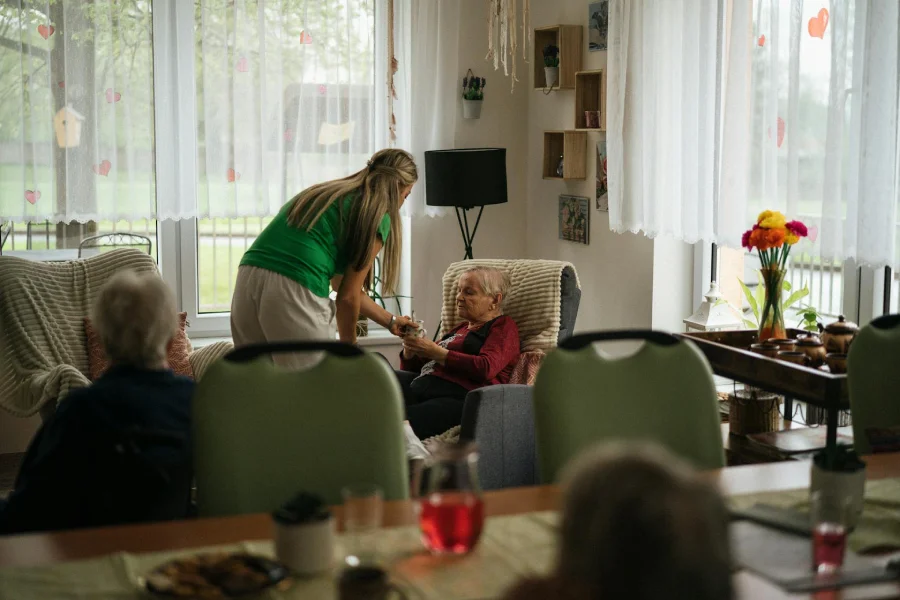
Dementia care is not only about supporting the individual; it also plays a vital role in supporting families.
Many family carers experience emotional and physical strain as they take on increasing responsibility. Professional care can help ease this pressure while ensuring loved ones receive consistent, high-quality support.
Families are encouraged to stay involved in care planning and decision-making, with regular communication between care experts and relatives helping to maintain continuity and trust.
Choosing dementia care at home in Richmond and Kingston
When selecting a care provider, families should look for:
- Experience in dementia-specific care
- A personalised approach to care planning
- Consistency of care experts to build familiarity and trust
- Strong communication with families
- Flexibility as needs change over time
- A compassionate, person-centred approach
Dementia care works best when it is built around the individual, not just their diagnosis, but their personality, history, routines, and preferences.
At SereneCare, care is delivered with a focus on dignity, reassurance, and continuity, helping individuals remain safely at home for as long as possible.
Supporting independent living with dementia care at home
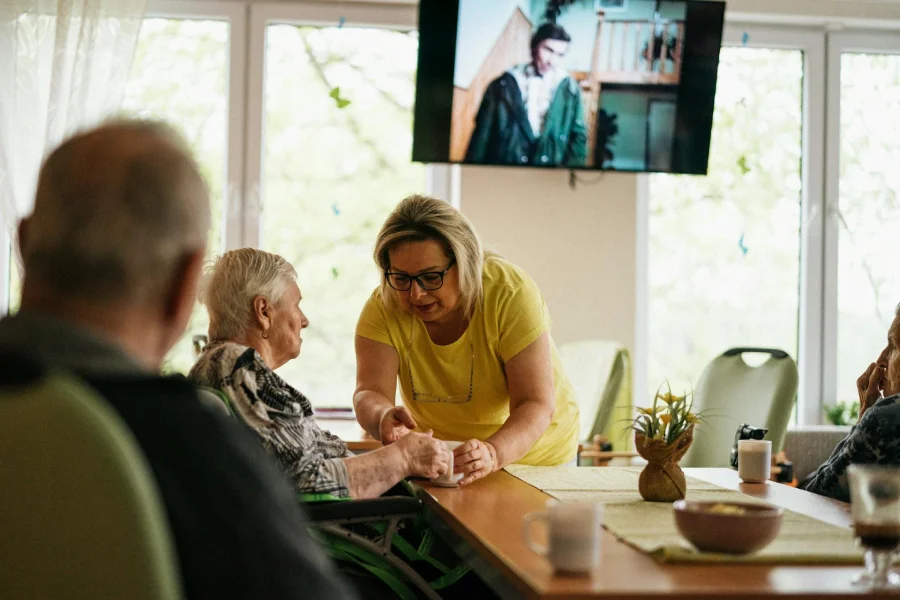
Dementia does not necessarily mean a move into residential care is required immediately. With the right level of support, many people can continue living at home safely and comfortably.
For families in Richmond and Kingston, dementia care at home offers a flexible, compassionate solution that adapts as needs change, providing reassurance for families and stability for those living with dementia.
If you are beginning to explore care options, speaking with an experienced provider can help you understand what level of support may be appropriate, now and in the future.